Knitting technique: The Ordinary Knitter - episode 8
/
RSS Feed
Share
Link
Embed
Episode 8: Knitting technique
Welcome to episode 8 of The Ordinary Knitter. This week: changing your knitting technique, bodging Clangers, solving pattern problems and use of the word ‘raglan’.
I have no idea where my knitting technique comes from. Until I looked it up recently I couldn’t even have told you that I do ‘English’ knitting (I’m half Scottish so hate describing anything about myself as English!).
In the pod I describe the terribly cumbersome ‘technique’ I used to have, not a way anyone could ever have taught me it was so awkward. I changed to a form of English knitting but harbour a secret desire to master continental knitting. It strikes me that ‘proper’ knitters (this is an entirely subjective term) use continental.
The problem I’ve had before when I’ve tried continental is that my tension goes to pot, and I can’t get the hang of doing it for rib. So now I’ve reached a compromise: English knitting for rib, continental for plain knit! And of course my odd third technique for long stretches of purl. Perhaps this makes my technique of knitting European?
Fight ClubRude Clanger
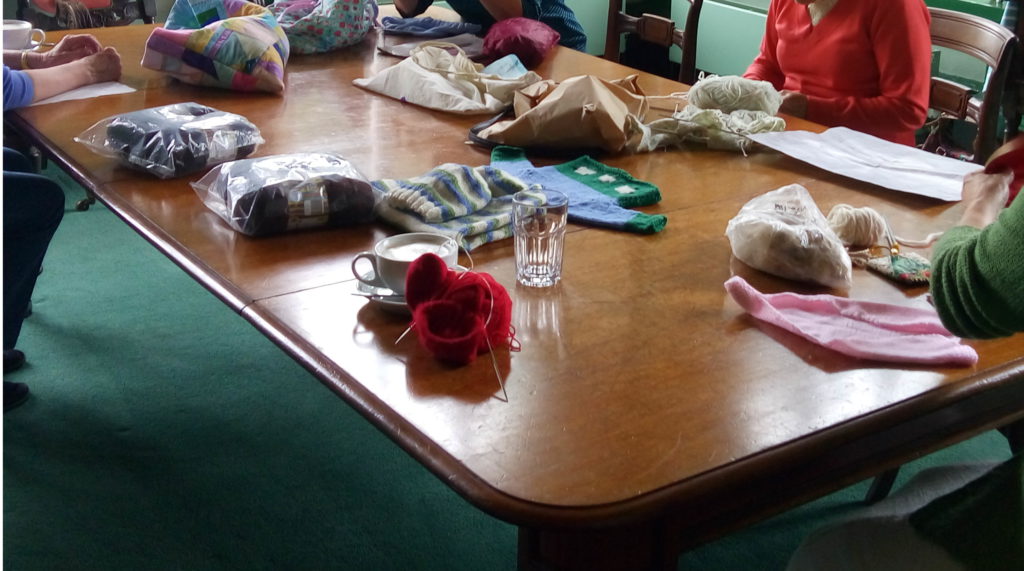
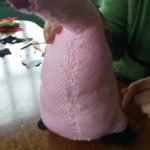
Here we are at Knit & Knatter, or Fight Club as it’s known at home. Everyone was rather camera shy but you can see the yarn haul I’d picked up at the supermarket on the way, the socks I’m knitting for DH, Major Clanger before he achieved structural integrity, the finished baby items I’d brought along for Show & Tell, and the two baby jackets that were causing head scratching. See dodgy photo of dodgy Clanger left after he’d been sewn up.
Welcome to episode 7 of The Ordinary Knitter. This week: the joy of weaving-in ends, sock knitting, Ravelry pattern comments, good habits and fighting with technology.
As promised in the podcast, here is the outline of how I make my socks. I won’t call it a pattern as that implies some ingenuity and originality in designing an item, and all I’ve done is combine others’ techniques. My School Run Socks (so named as I get a lot of knitting done as I wait at school in the afternoon) go something like this:
CO 16st per sock per needle(for wide feet), total 32st per sock, using Judy’s Magic Cast-on.
Increase 1st each end of row top and bottom of sock every other row (inc 4st per sock each time) til total 80st per sock. At this point begin patterning the top of the foot however you choose. My current pair is rib as that’s what my husband asked for.
The toes start to look like toes as the increase rounds are narly complete
The ribbing begins
When the sock reaches the front of the ankle bones, begin increasing for the heel. Err on the side of generosity as a sock that’s too short is impossible to wear, but don’t get carried away as you don’t want it baggy on the ankle either.
Turn the heel using the Fleegle heel.
Knit up the leg taking the pattern all the way round the leg. Where it suits you, begin a minimum of 2″ 1×1 rib. I usually do about 3″ as that’s my husband’s preference.
Welcome to the first of an occasional series of short podcasts focussing on specific techniques or projects. I might come up with a snazzy name eventually, but for now I’m too excited about the ‘proper’ technique I’ve discovered for weaving in ends. Once again Staci Perry of VeryPink has ridden to the rescue and the difference to my knitting is just astonishing. Really no-one should get this excited about a different way to weave in ends, but there you have it.
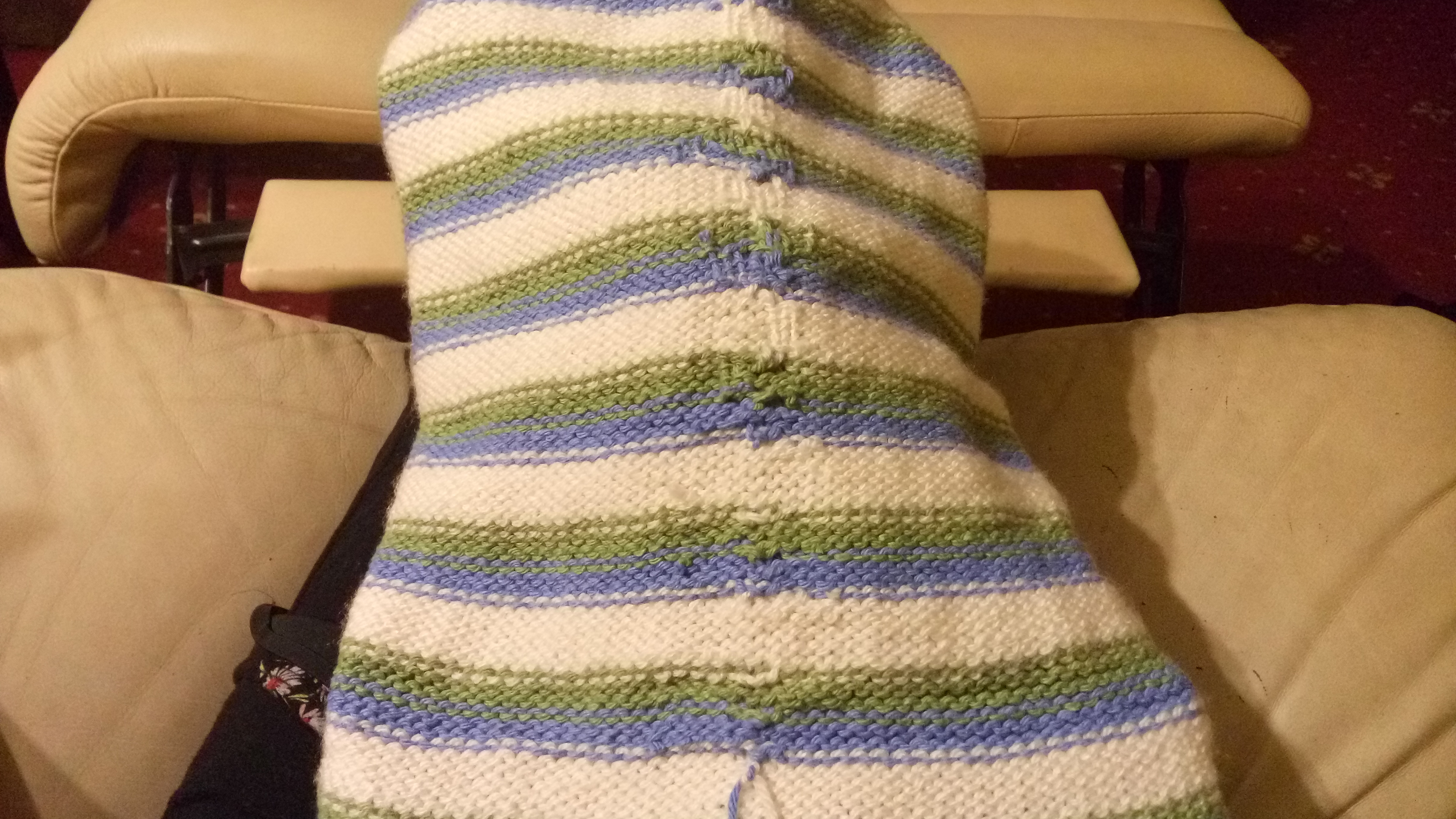
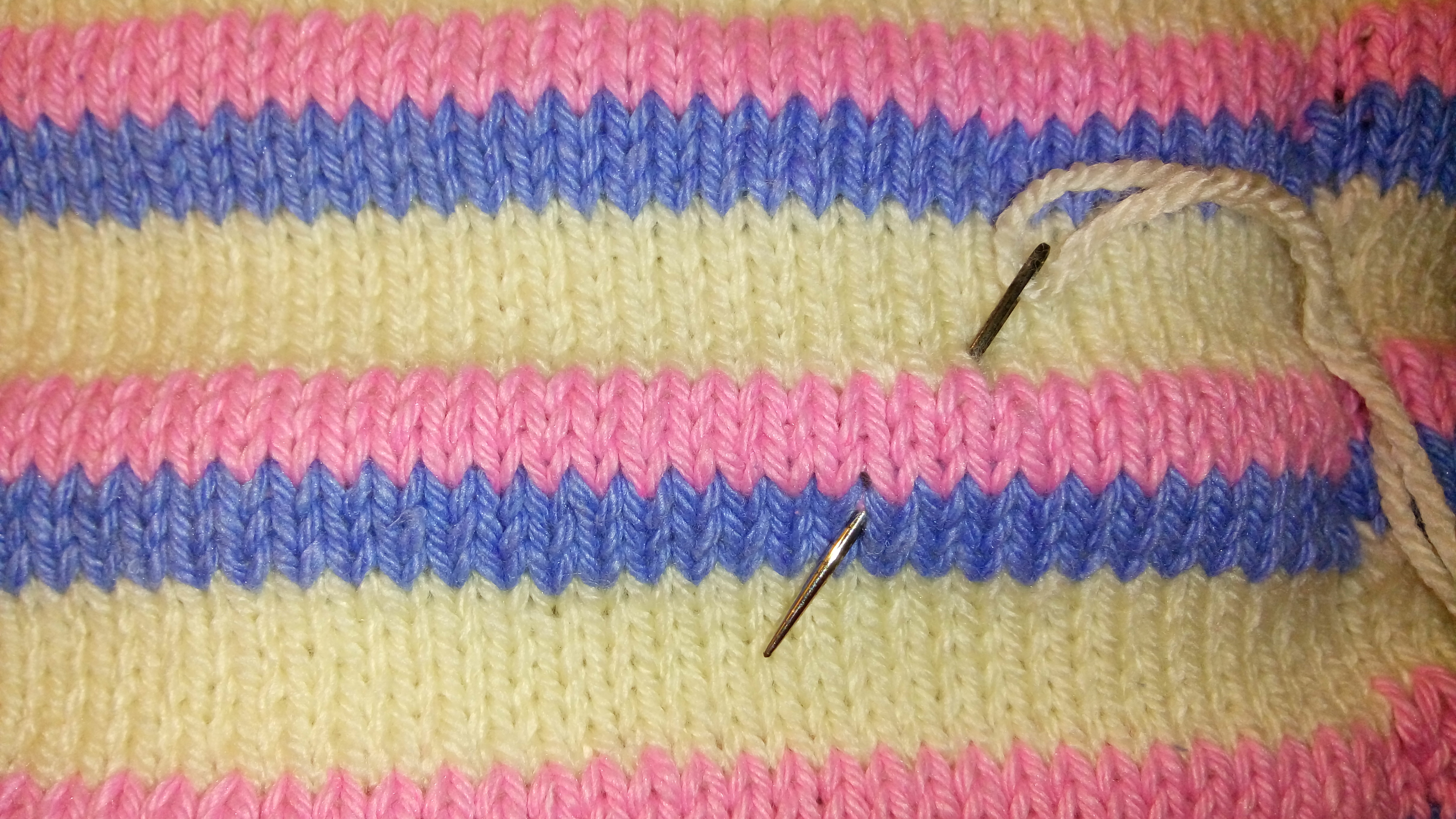
Here’s a before and after of woven-in ends on the back of the sleep pod:
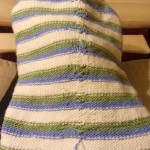
Before: lumpiness abounds
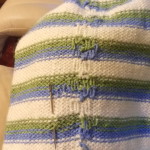
During: lumpy blobs underneath, my needle showing where the neater weaving in starts above
After: old lumpy work at the top, neater work from the middle, a few ends left to do at the foot
For someone who harbours ambitions to be a neat and tidy knitter this represents huge progress! It’s satisfying to do and pleasing to look at and makes weaving in ends less of a guessing exercise. Still, I have to leave slightly longer yarn tails when cutting yarn in the first place, and then after weaving in I have to leave a slightly longer end as otherwise I found tufts were poking through the piece. How do you weave in ends – like this, another recognised technique or just hope for the best?
Kitchener stitch: The Ordinary Knitter - episode 6
/
RSS Feed
Share
Link
Embed
Episode 6: Kitchener stitch
Welcome to episode 6 of The Ordinary Knitter. This week: raglan seams – kitchener stitch or bind off and seam?, LYS, blocking, dropping Clangers and buying new needles.
Can you tell which is the Kitchener stitched underarm? Sadly it’s the lumpy one on the left. I said in the pod that I wasn’t sure which was better, Kitchener st or binding off and seaming, and looking at this I’d say binding off and seaming every time.
Rolled Edge Baby Raglan Sweater
I’m going to be knitting at least four jumpers for this coming winter so plenty of opportunity to hone my raglan seaming skills! Overall though I’m pleased with this little jumper and would happily do something perhaps in a simple stripe or with a block design in the middle (a star or tractor or something).
Knitting stripes: The Ordinary Knitter - episode 5
/
RSS Feed
Share
Link
Embed
Episode 5: Knitting stripes
Welcome to episode 5 of The Ordinary Knitter. This week: the pros and cons of knitting stripes flat or in the round, changing a nice simple pattern into an intarsia nightmare, finding good YouTube knitting videos and eating my words on blocking.
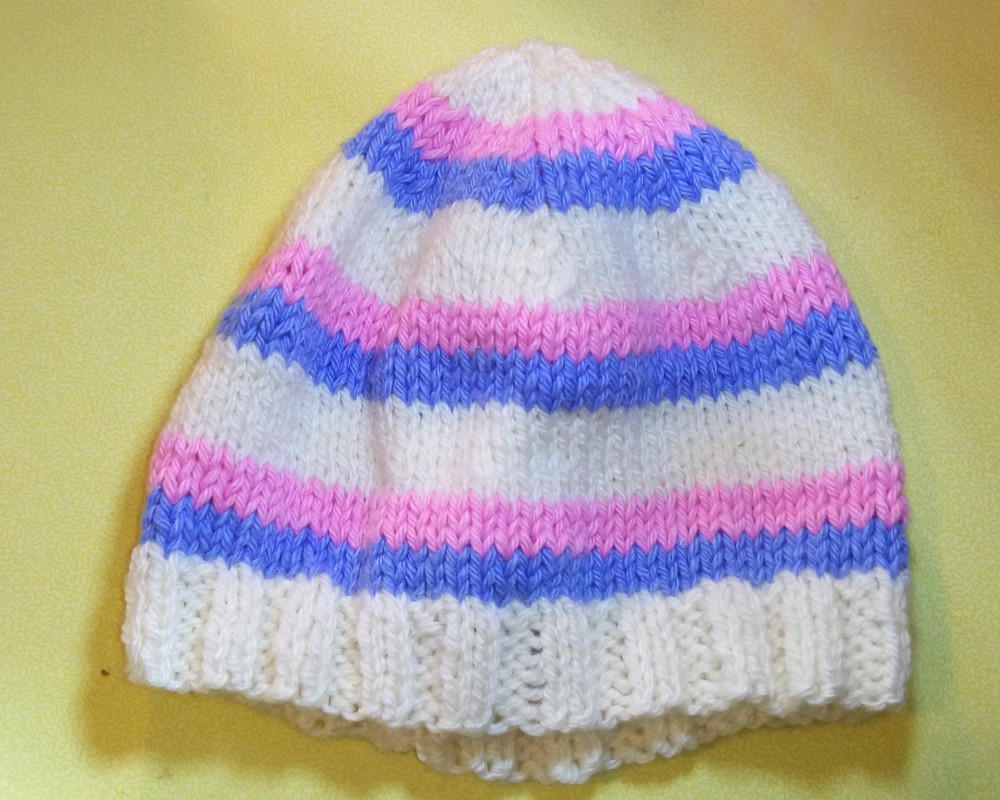
This is a sneak peek at the next baby sleep pod I have on the go. I absolutely LOVE the colours in this. After knitting the last baby sleep pod carrying the pending stripe colours along vertically and having floppy yarn loop nightmares, then knitting the wee hat flat and having stripe-matching seaming nightmares, I’m doing this one properly. I’m knitting it in the round, cutting the yarn after each stripe is over. I’m trying the technique to avoid the colour jog but I’m not sure if I’m causing myself other problems. I’ll report back.
Yarn!!
PurpleLinda Crafts, where I placed my latest yarn order. Great customer service, good choice of yarns in a range of colours, good prices and reasonable delivery. I’ll definitely be using PurpleLinda Crafts again.
Btw I have a new computer – woot! – but listening to the recording it’s slightly hissy so please bear with me while I get used to the sensitivities of this new machine. I think I might call it Marvin.
Welcome to episode 4 of The Ordinary Knitter. In this episode: baby knitting, larger projects, King Cole Recycled Cotton Aran and a pattern holder that weighs a ton. Not knitting babies, though I’m sure some people do that. There’s a pattern for everything on Ravelry (did you know there’s a filter for ‘explicit’?!).
Baby Cocoon Sack and Cap by Bernat Design Studio – hereafter known as the baby sleep pod for reasons covered in the episode (link to my Ravelry project page)
Ft knitting needles:
These were all knitted with interchangeable circulars from my KnitPro set – I often knit flat on circs too. I don’t know where they were bought as they were a present.
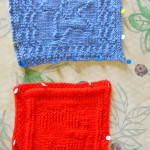
Two washcloths drying after steam blocking
This is a glimpse of the various baby items on my ironing board being BLOCKED! Yes, I blocked them, and after everything I said! It was worth it as they turned out really well. Another case of learning as I go along.
Knitting disasters: The Ordinary Knitter - episode 3
/
RSS Feed
Share
Link
Embed
Episode 3: Knitting disasters
Welcome to episode 3 of The Ordinary Knitter. In this episode: knitting disasters, modifying patterns (these two things can be related) and how to avoid thumbholes. I went to ridiculous lengths to avoid thumbholes and achieved complete success!
The HiyaHiya needles I bought from Brownberry Yarns (not ‘browberry’ as I mistakenly said) can be found here: HiyaHiya needles at Brownberry Yarns.
Knitting disasters:
Just for a laugh, here’s the To the Sea jumper after its mishap:
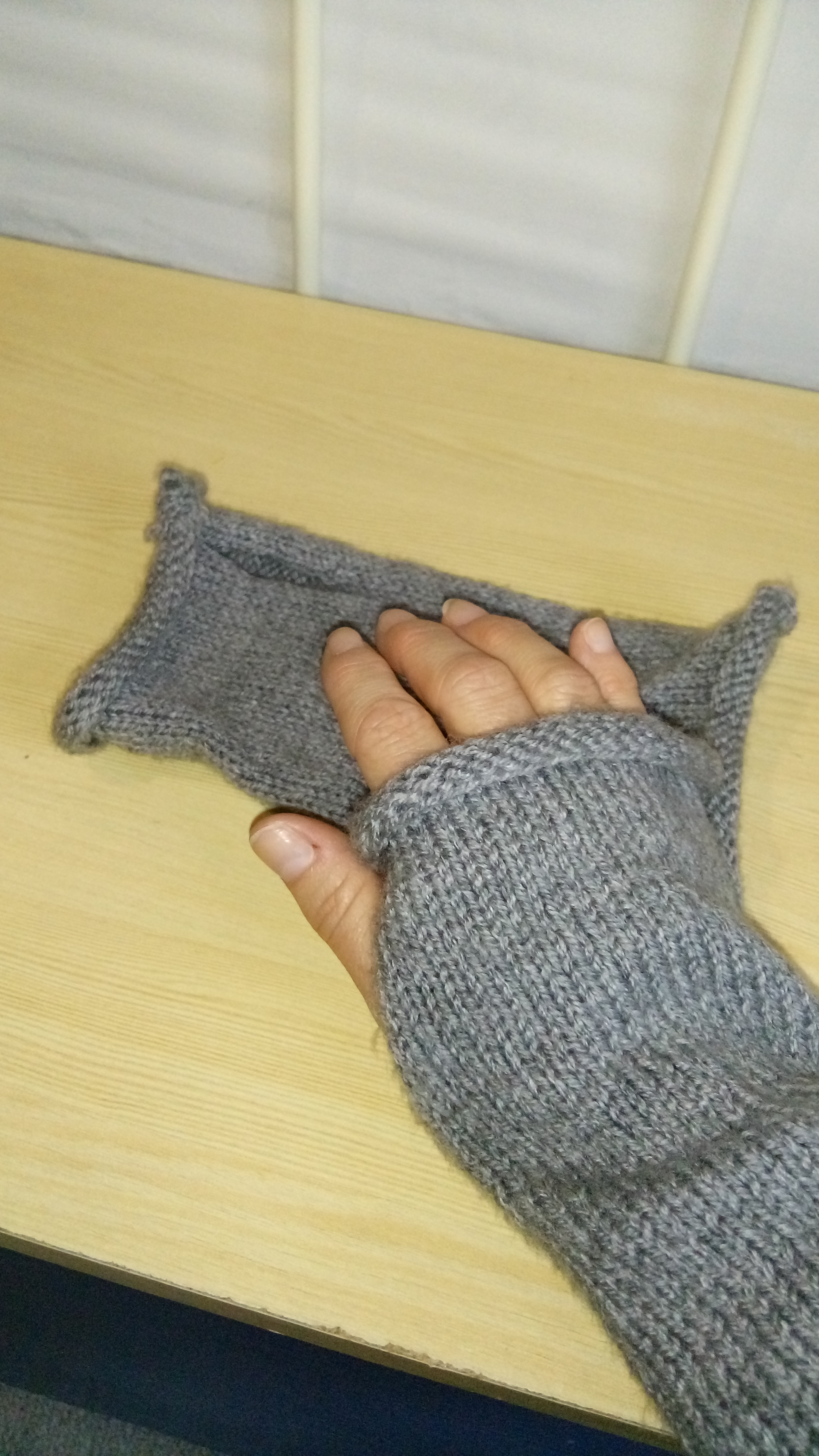
DH’s ‘jumper’ after its trip through the tumble dryer
What did I learn? Don’t tumble acrylic. One reason I made that mistake is that I’d researched aran for a jumper for DS and had found one that could be tumbled, so I just assumed they all could – wrong! Now I pay very close attention to laundry care labels, both when choosing yarn and when the garment is made and I’ve forgotten what the label said. Sometimes I use a magnet to stick them on the washing machine!
Punk Rock knitting: The Ordinary Knitter - episode 2
/
RSS Feed
Share
Link
Embed
Welcome back to The Ordinary Knitter knitting podcast – this week featuring improved sound quality (and punk rock knitting).
With the podcast so new I’m going to post several together to kick things off, and then settle down to one a week. Please feel free to leave a comment or contact me via the email address on the left bar.
I’ll link to all the patterns, yarns and videos that come up in the podcast, as well as any other sites I mention, such as equipment purchases and yarn outlets. In fact definitely yarn outlets.
Episode 2: Punk Rock knitting
Welcome to episode 2 of my new podcast. In this episode: the Punk Rock back pack and why collaborations are an excellent idea, being the Incredible Hulk of needles, and a yarn I have completely fallen for.
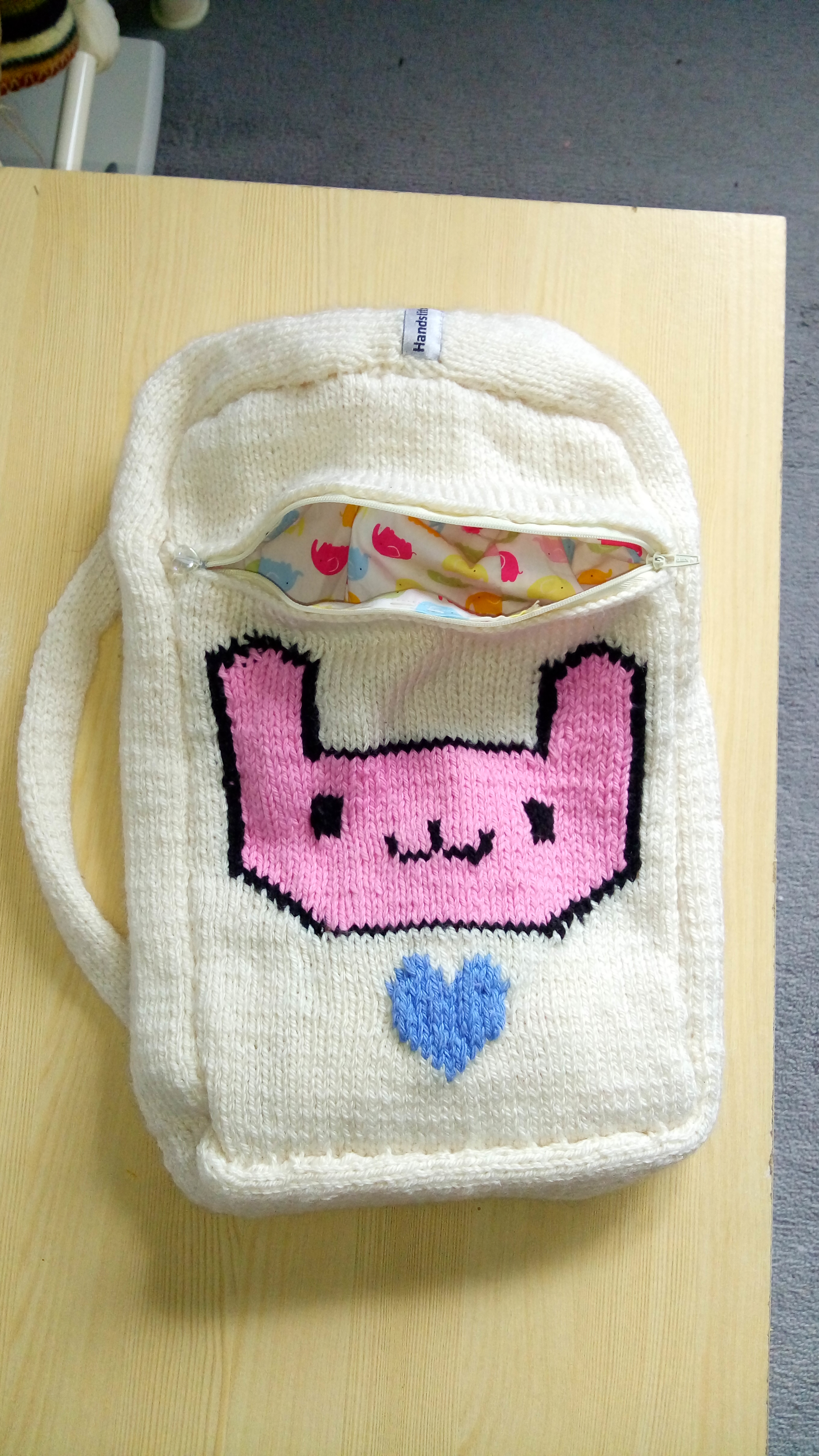
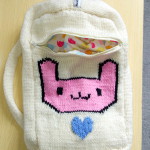
Here’s a quick peek at the finished Punk Rock Backpack, all made up by my and lined and zippered by my very skillful mother. That colourwork heart will always bug me (listen to the podcast to find out what I did, in my laziness) but otherwise I’m really pleased with it. My daughter even uses it occasionally.
Knitting podcast: The Ordinary Knitter - episode 1
/
RSS Feed
Share
Link
Embed
Welcome to The Ordinary Knitter, a new knitting podcast. I aim to release at least one 20 minute podcast every week. I use everyday, affordable yarns and more often than not free patterns from Ravelry or somewhere else on the internet.
Warning – deeply dodgy broadcast quality! Please bear with me as I learn how to do this properly. I’m falling over myself with enthusiasm at the moment and just want to get this on the go.
Episode 1: Knitting podcast
Welcome to episode 1 of my new knitting podcast. In this episode: introducing myself, talking about current projects and associated issues (ie disasters), and looking at ideas for the future of the podcast.
I started this podcast as the knitting podcasts I’ve listened to, while enjoyable, don’t focus on the things that interest me most. I like to talk about why I settle on the patterns I knit, why I chose the yarns and what happened as the project progressed. The podcasts I’ve listened to have tended to be about yarns more than actual knitting, so I hope there’s a place for a podcast that rather iconoclastically doesn’t put yarn centre stage.
Please leave me a comment, let me know what you think, and find me on Instagram @theordinaryknitter and on Ravelry as OrdinaryKnitting.
Ft knitting patterns:
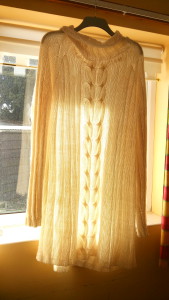
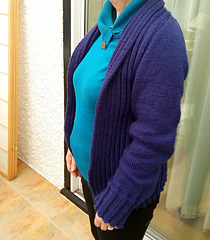
Shawl Collar Vest by Jennifer Miller (link to my Ravelry page). I’ve nicknamed this the Seaside Shrug as the colours are my mother’s favourite sea colours and I think of this garment type as a shrug rather than a shawl.
An early pair of socks for my daughter, too thick to wear under normal shoes and with a lovely tight cuff cast on! When I made these I didn’t even know there were different ways of casting on and bindng off (listen to episode 5 for a discussion of the terms cast off/bind off). Generally I learn the hard way but I’m getting better!
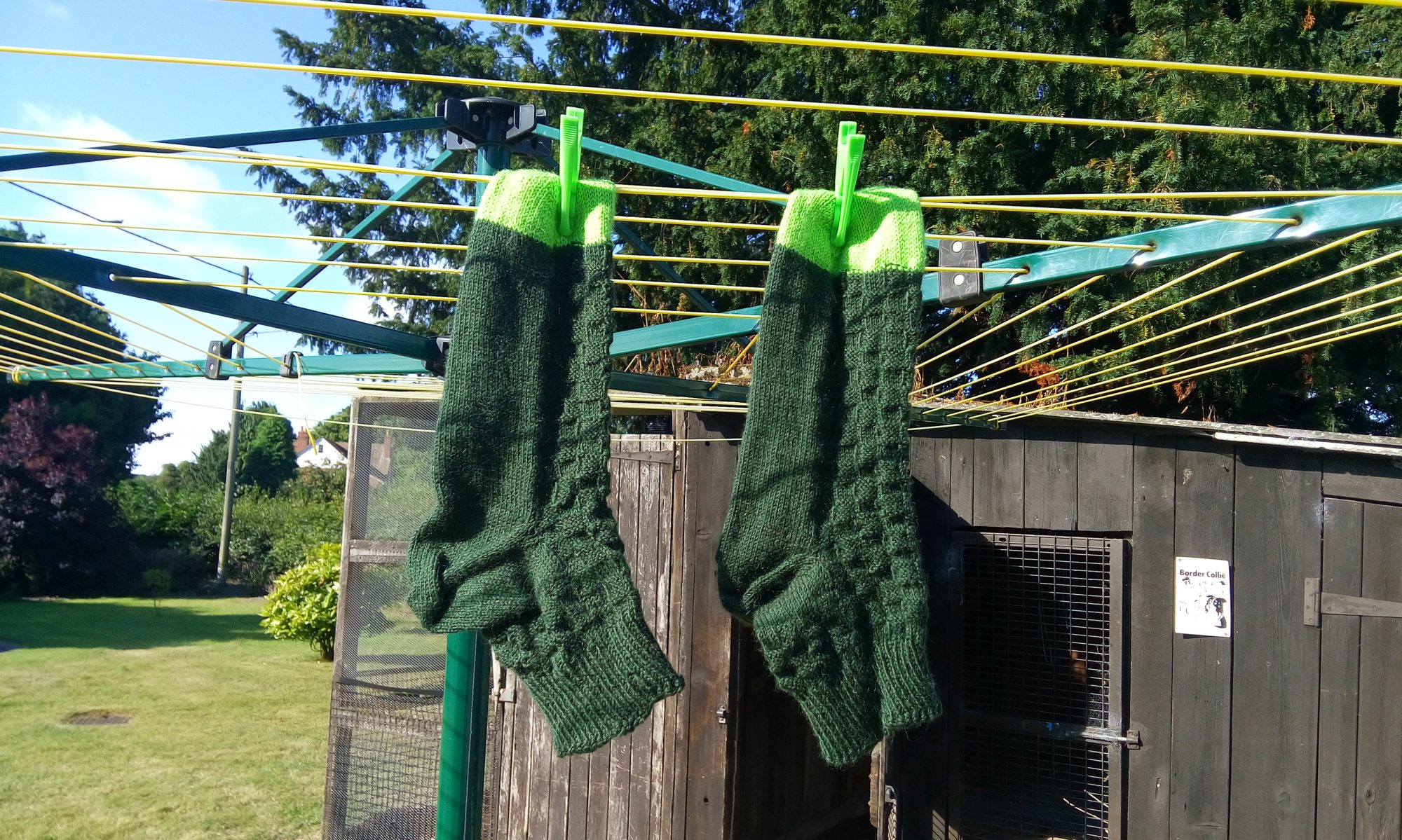
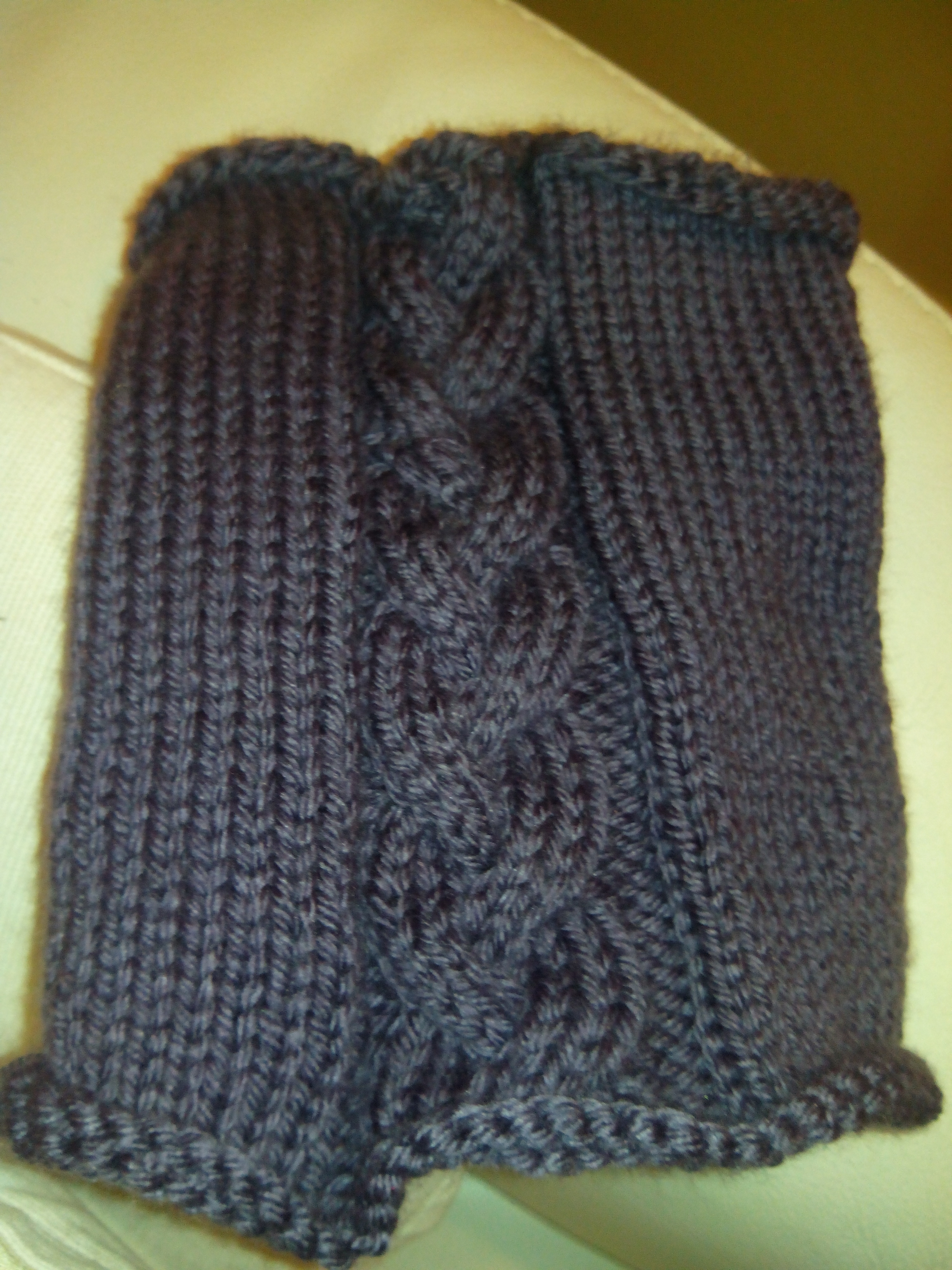

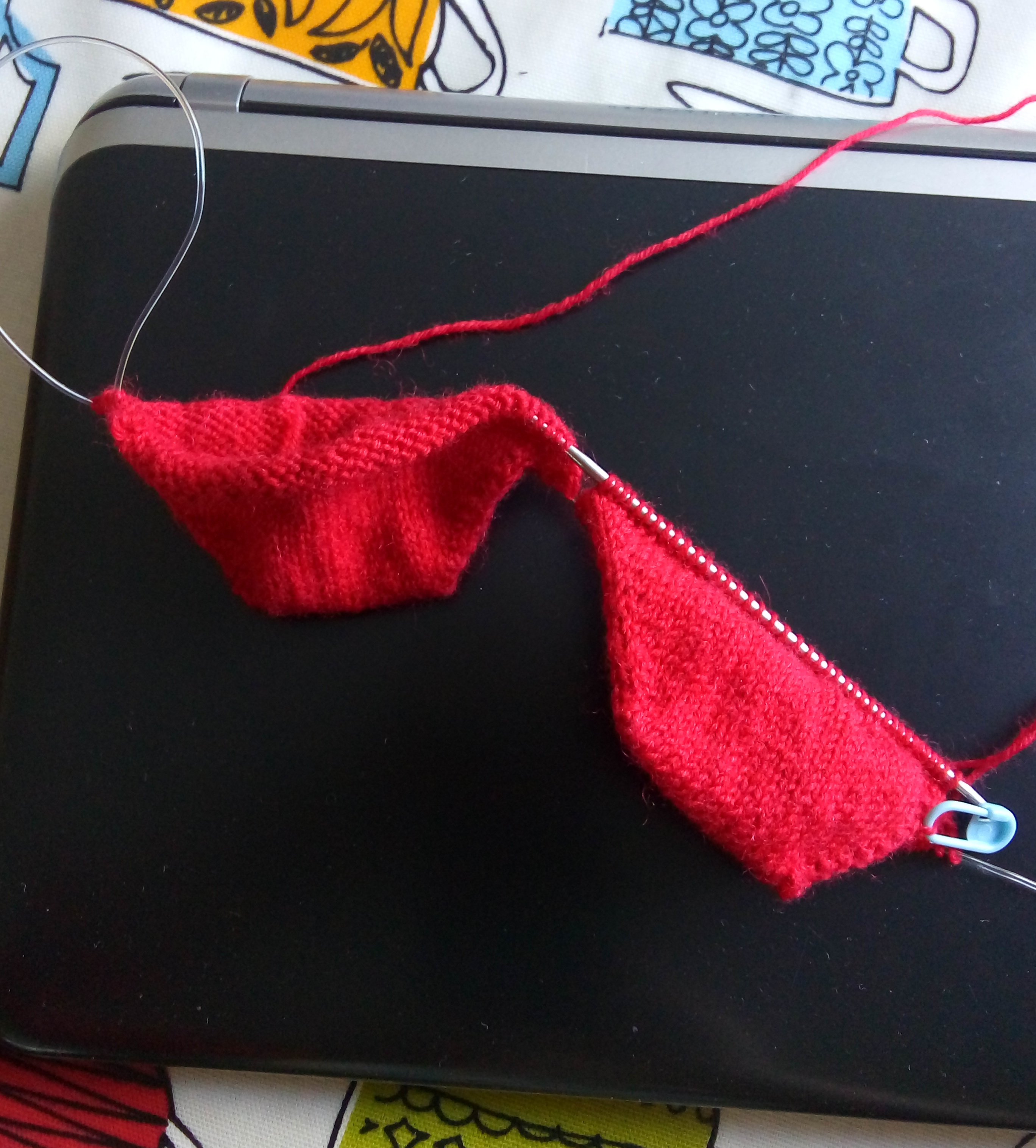
 As promised in the podcast, here is the outline of how I make my socks. I won’t call it a pattern as that implies some ingenuity and originality in designing an item, and all I’ve done is combine others’ techniques. My School Run Socks (so named as I get a lot of knitting done as I wait at school in the afternoon) go something like this:
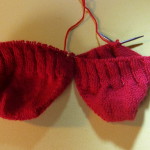

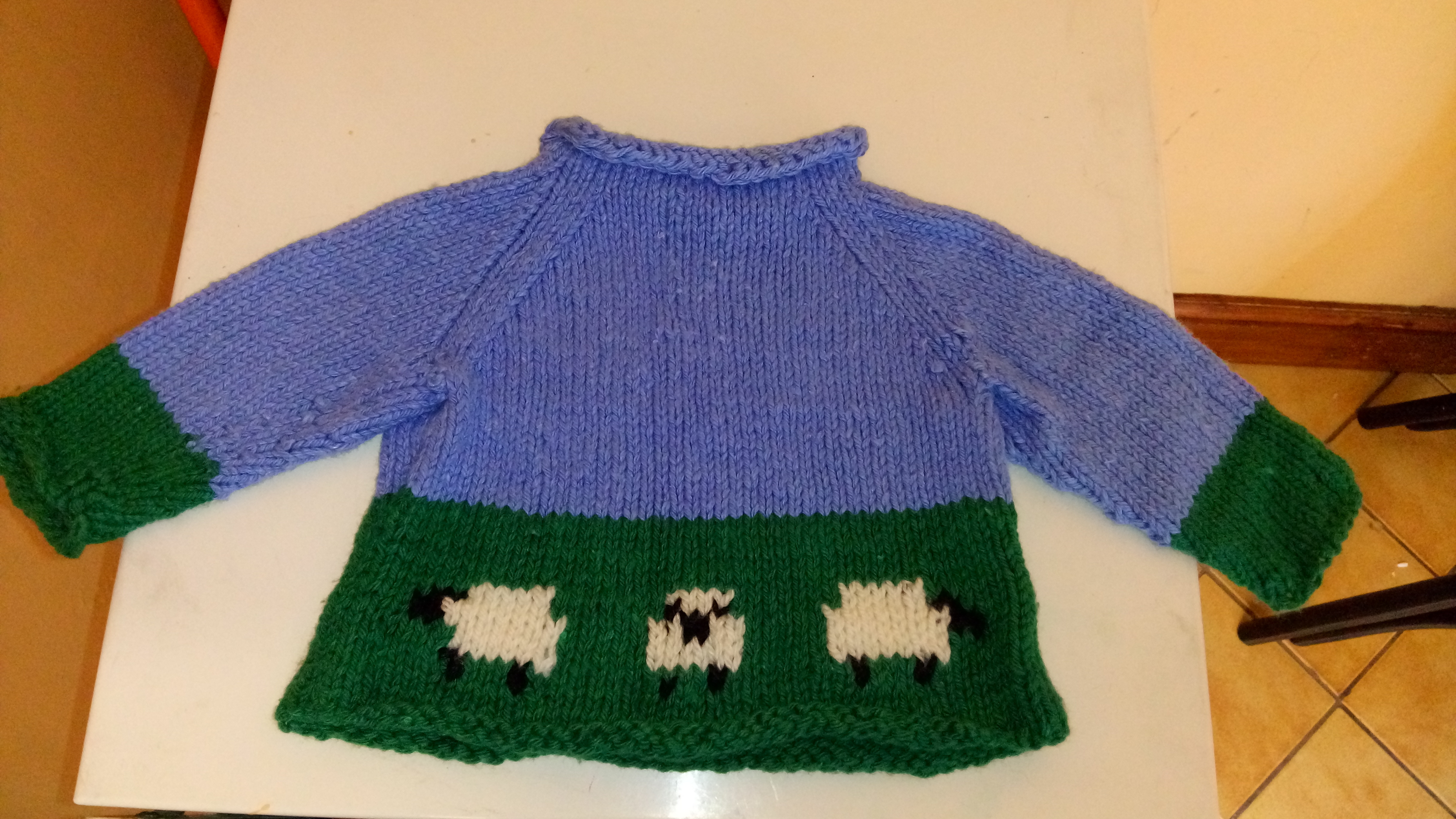
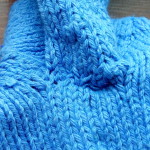
 Can you tell which is the Kitchener stitched underarm? Sadly it’s the lumpy one on the left. I said in the pod that I wasn’t sure which was better, Kitchener st or binding off and seaming, and looking at this I’d say binding off and seaming every time.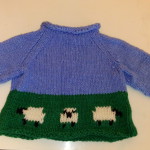
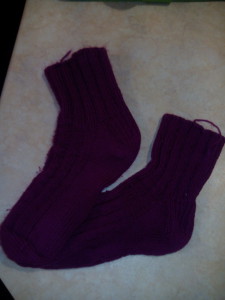 An early pair of socks for my daughter, too thick to wear under normal shoes and with a lovely tight cuff cast on! When I made these I didn’t even know there were different ways of casting on and bindng off (listen to episode 5 for a discussion of the terms cast off/bind off). Generally I learn the hard way but I’m getting better!